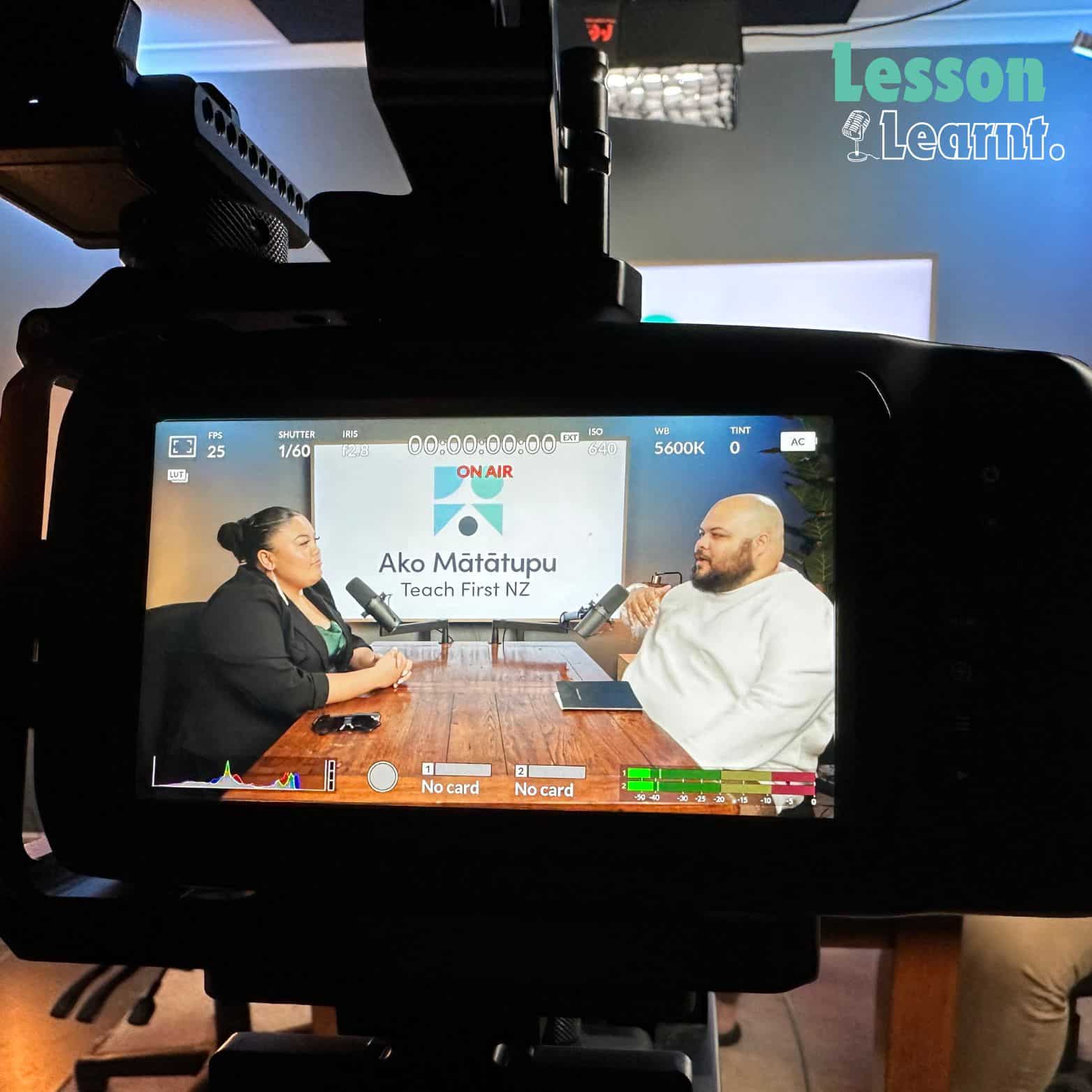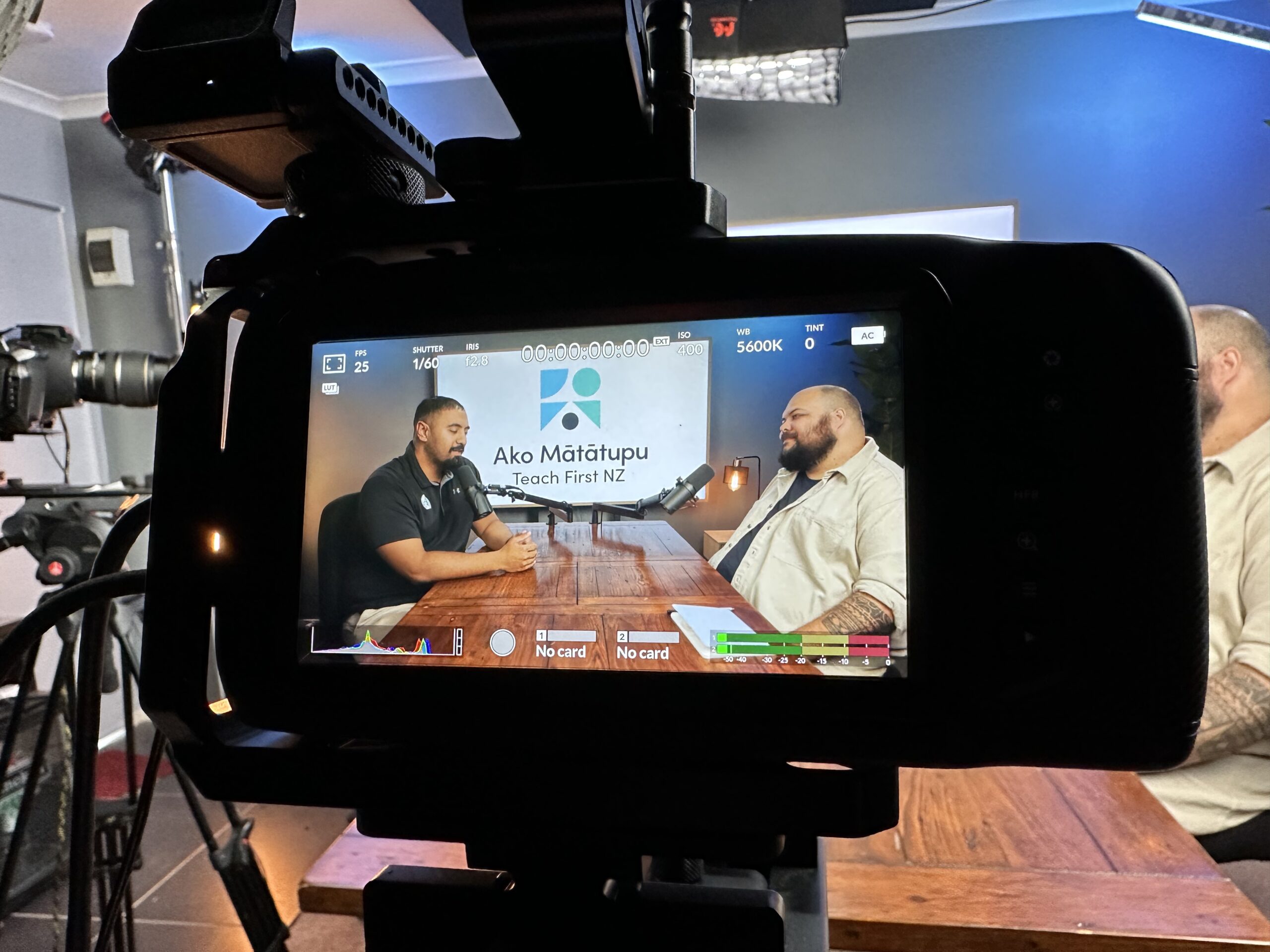
Nisyola Fifita and Seonho Hwangbo share their journey into education and their story about identity, belonging, and the power of culturally responsive teaching. From the very start of the conversation, we are drawn into two very different lives united by a common vision: to build classroom spaces where Pacific and migrant learners see themselves, their families, and their stories reflected.
Nisyola and Seonho’s experiences remind us that education isn’t just about test scores or academic content, it’s about people. Their journey into teaching was motivated by a deep desire to support learners whose backgrounds and identities often sit outside the mainstream. In doing so, they highlight how crucial it is for teaching to sit at the heart of community, family, heritage.
Throughout the conversation, there’s a quiet but powerful message: when curricula, pedagogy and classroom relationships honour students’ origins and stories, learning becomes more meaningful. For Pasifika students and learners from migrant backgrounds, this isn’t an optional “extra.” It’s fundamental for belonging and for unlocking potential.
Nisyola and Seonho see teaching as a platform, a place to advocate for equity, visibility and recognition. Their commitment underscores a truth: change in education comes not only from policy, but from educators willing to lean in, to listen, to build bridges between home and school.
If you’d like to watch the conversation, you can check it out on youtube.